A business can occupy an excellent commercial location and still be surprisingly difficult to find. The building may sit too far from the road, the storefront may disappear among neighboring businesses, or an aging sign may no longer represent the company behind it.
Across Fort Myers, Cape Coral, and Naples, these situations call for different solutions. A restaurant on a busy commercial road doesn’t have the same signage requirements as a medical office, an apartment community, or a retail store inside a shopping plaza.
Choosing the right sign means understanding the building, its surroundings, and how customers approach it. That is why Loyalty Signs evaluates each business location before recommending a signage solution and preparing a custom quote.
Start With the Location, Not the Sign
Imagine two businesses in the same shopping center. One faces the main road, with an unobstructed storefront and excellent pedestrian access. The other sits around the corner, partially hidden by landscaping and neighboring buildings.
The first may only need properly sized channel letters. The second could require additional identification near the parking entrance. Their addresses are nearly identical, but their visibility requirements are not.
During a site evaluation, several details deserve attention:
- Viewing distance and traffic patterns: How far away will customers first see the sign? Are they approaching on foot or driving at road speed?
- Letter size and readability: Typography, contrast, and available sign area must work together. Intricate logos and narrow lettering may become difficult to recognize from a distance.
- Mounting conditions: The façade material, structural support, electrical access, and installation height can affect both sign design and cost.
- Existing obstructions: Trees, awnings, neighboring signs, and architectural features can interfere with visibility.
- Local sign regulations: Permitted dimensions, placement, illumination, and construction methods vary by jurisdiction and sometimes by individual commercial development.
These details establish what is practical before time and money are invested in a design.
So, which one does your business need?
The answer begins at the road.
Choosing Between the Most Common Business Sign Types
Channel Letters: When the Storefront Does the Advertising
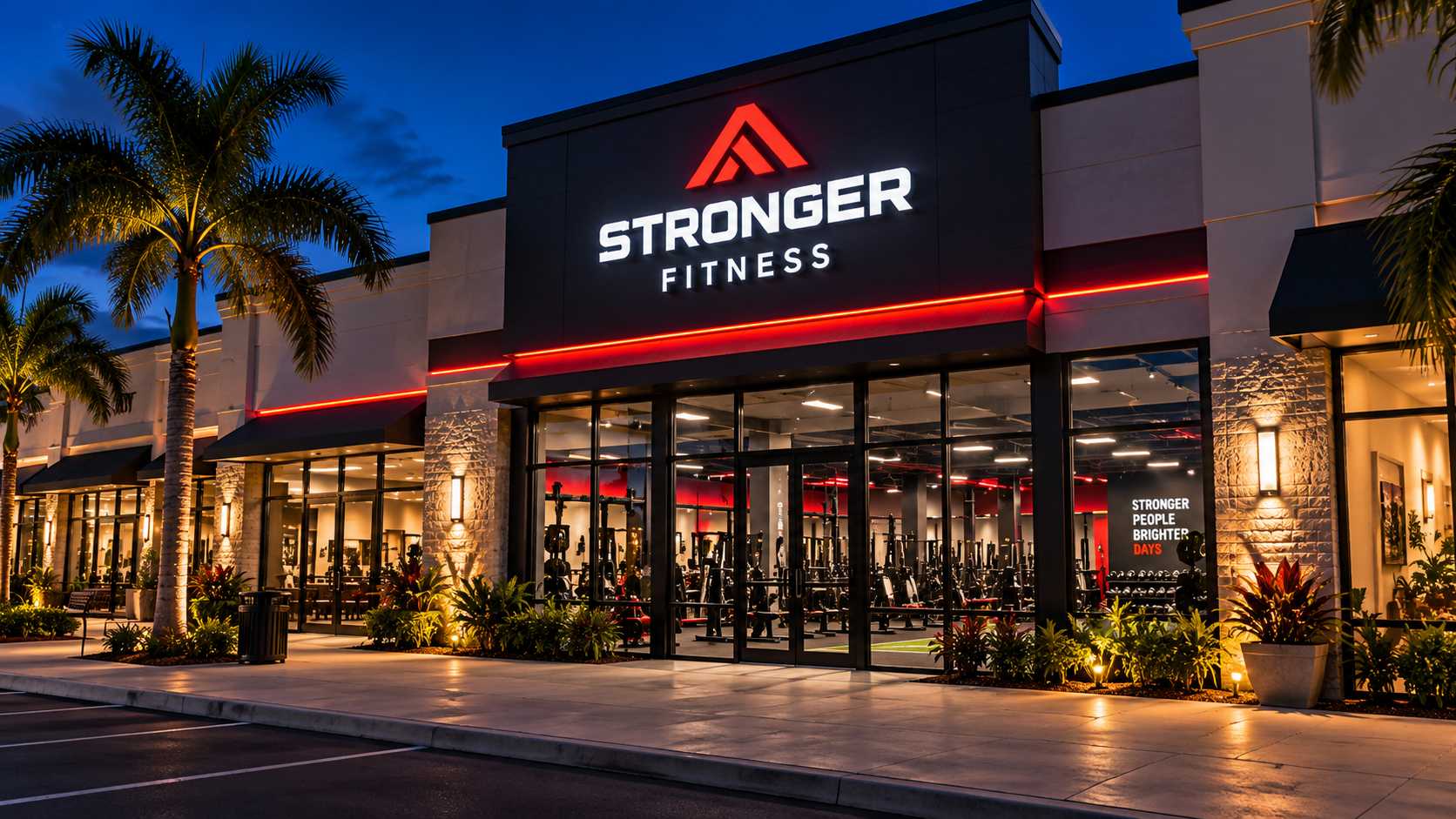
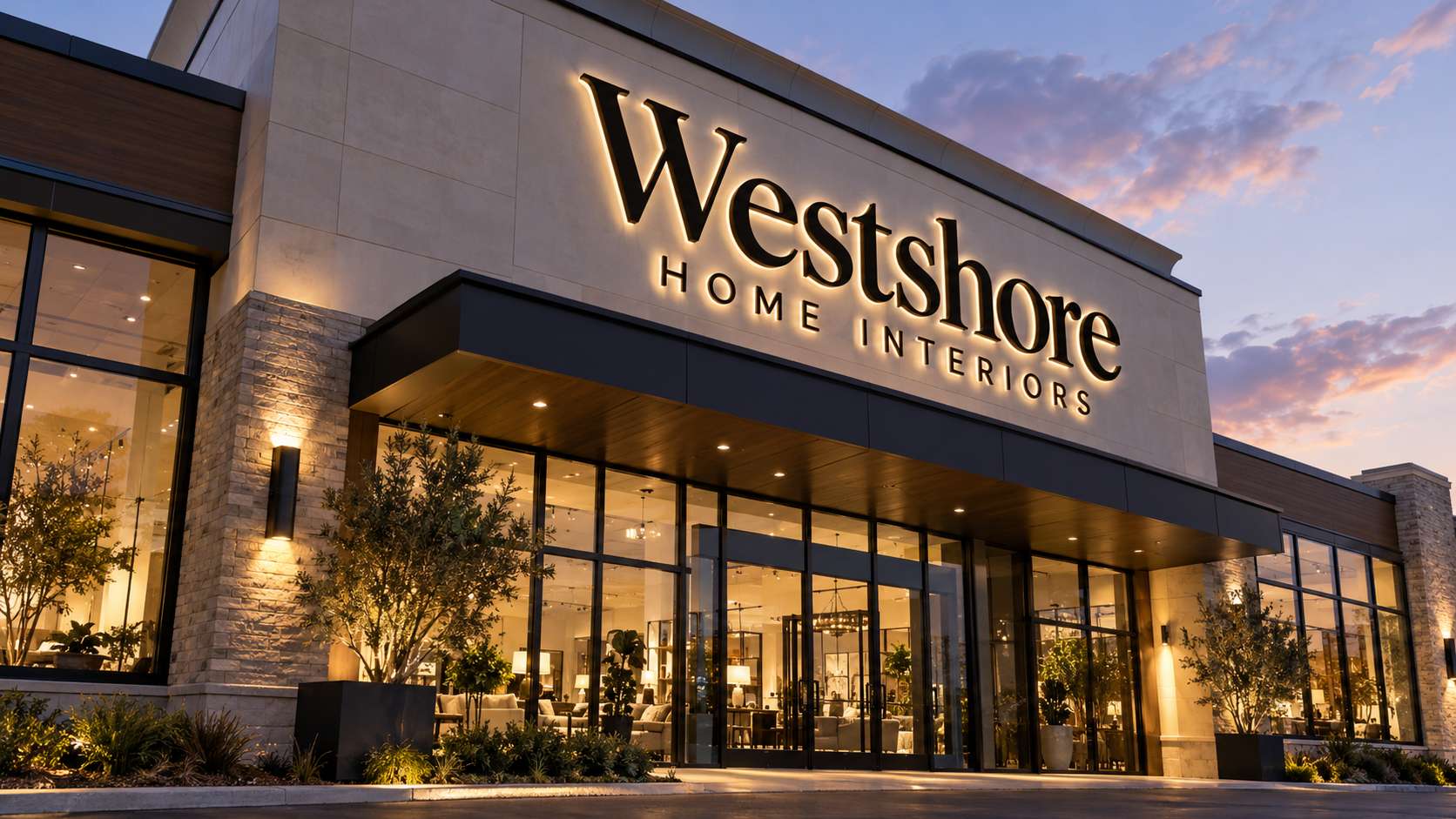
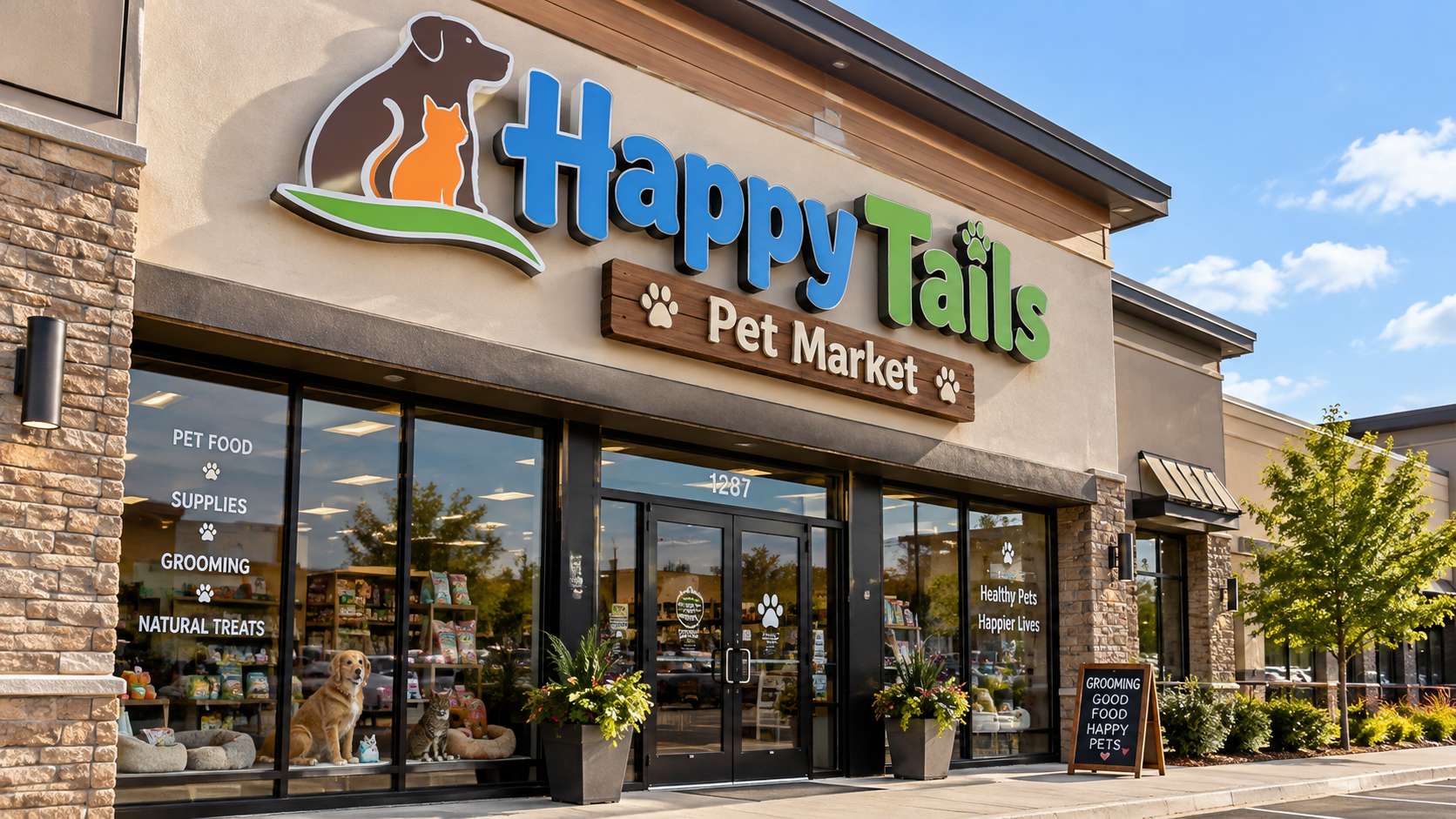
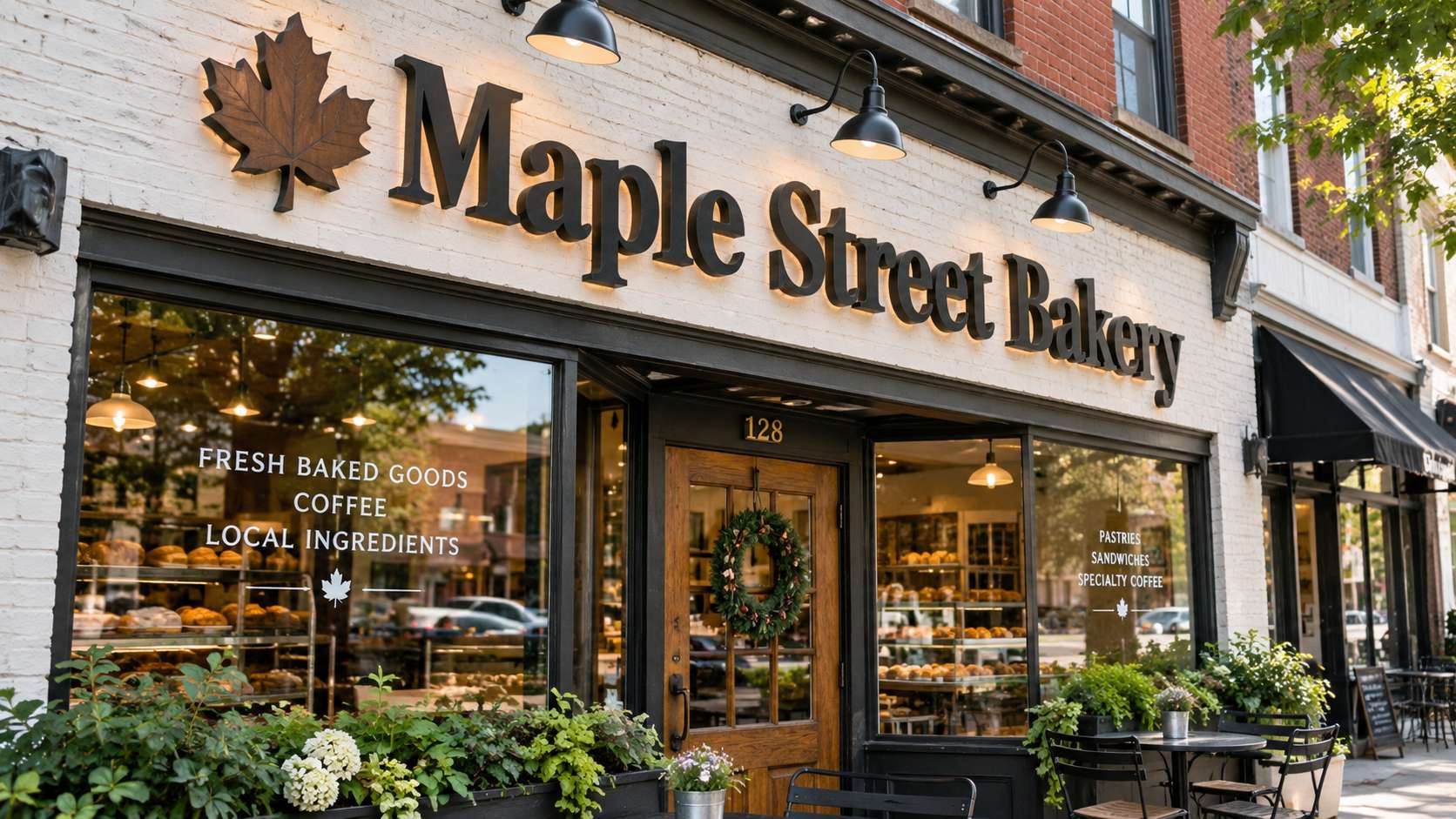
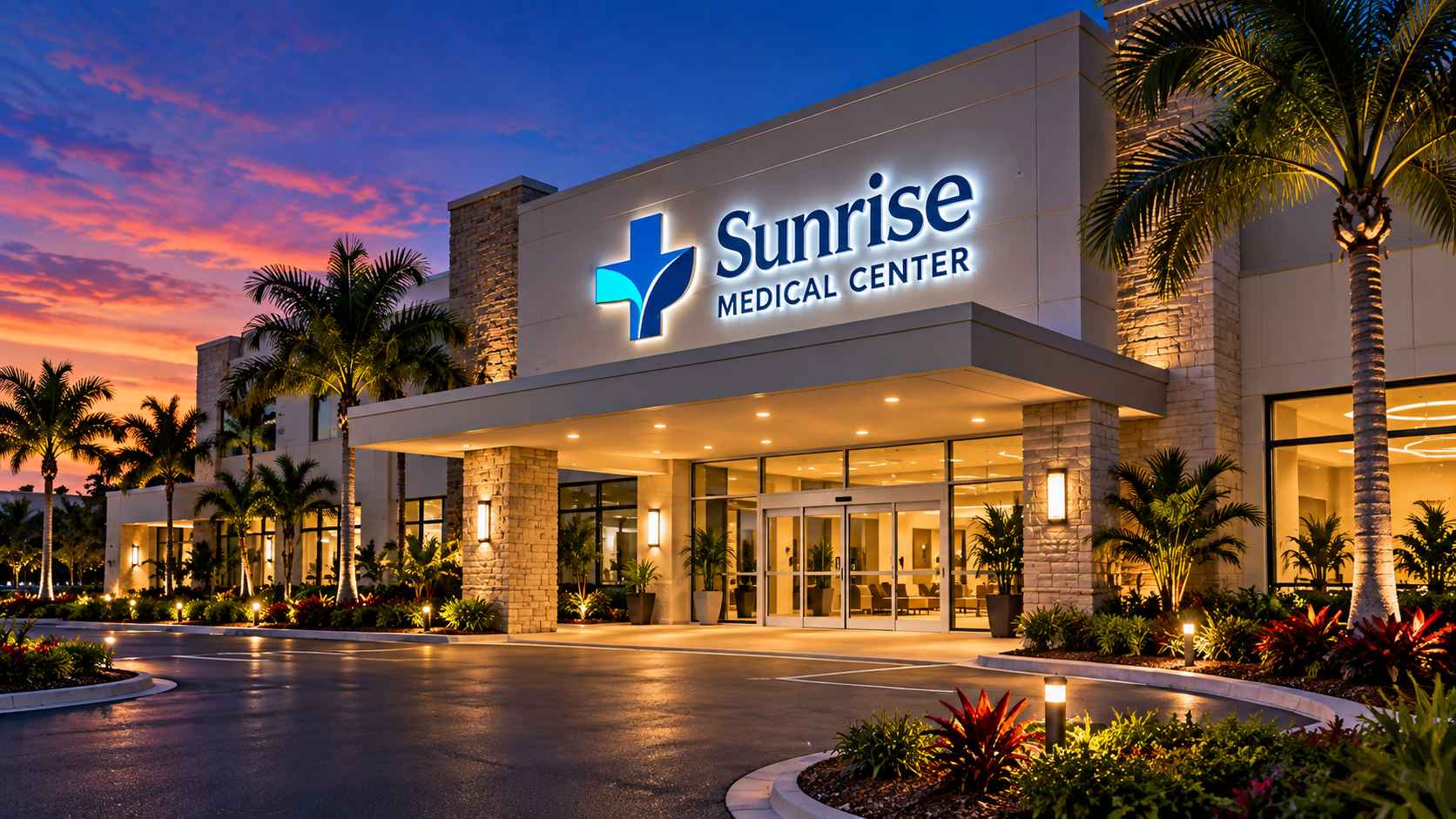
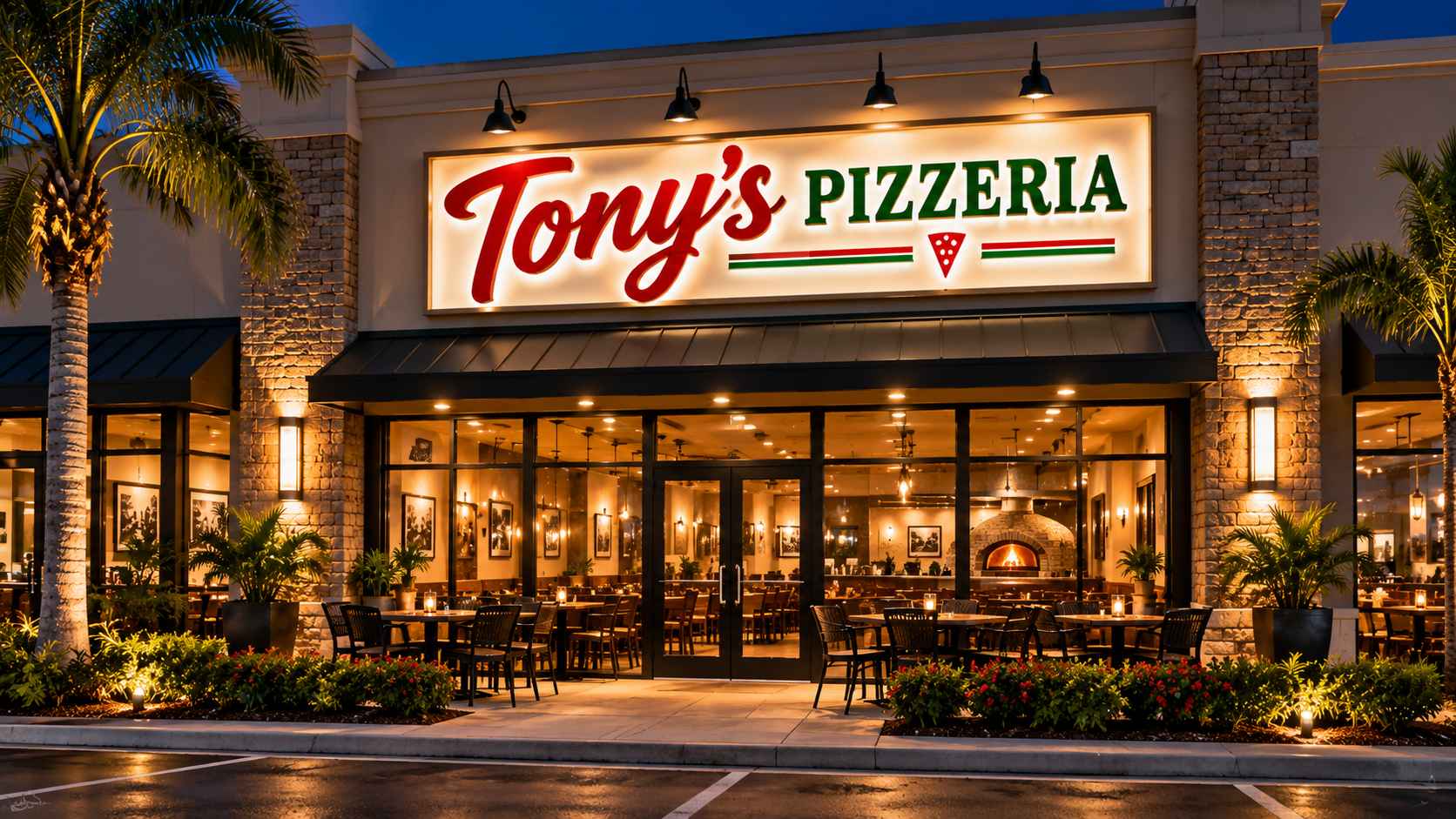
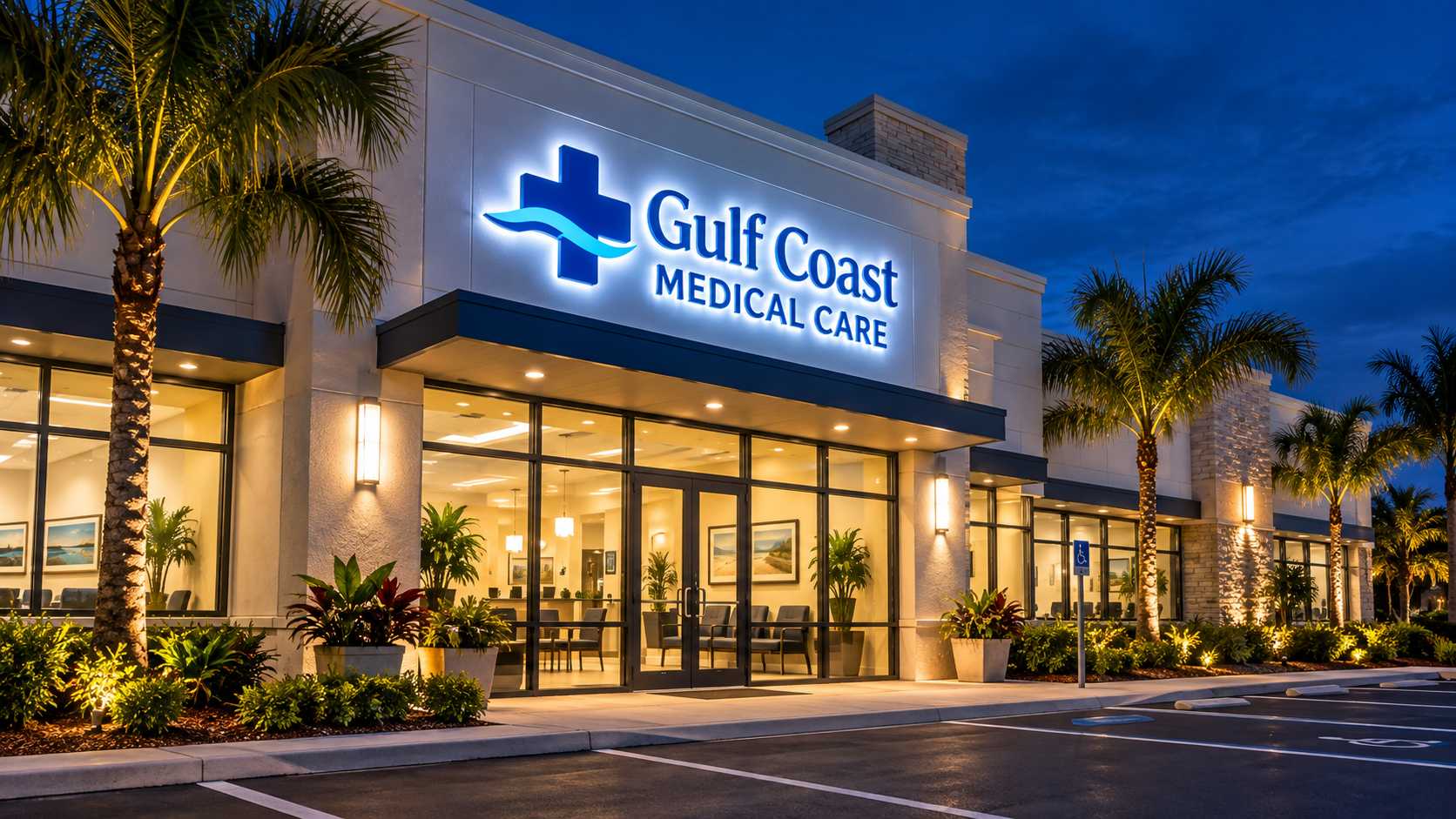
Along commercial streets and shopping plazas, the building itself often provides the best advertising space. Channel letters allow a business to display its name and logo as individual three-dimensional elements rather than placing the entire design inside a rectangular cabinet. Their appearance can be adapted to different architectural styles, from a neighborhood restaurant to a contemporary medical facility.
Illuminated channel letters typically combine aluminum returns, acrylic faces, and internal LED modules. Front-lit versions produce direct illumination through the letter faces, helping maintain visibility after sunset.
Installation may involve fastening individual letters directly to the façade or using a raceway that houses the wiring. The choice depends on wall construction, access to electrical connections, and the property owner’s requirements. For storefronts with limited façade space, proportions matter. Increasing letter height is not always possible, and excessively narrow spacing can make a sign harder to read.


Loyalty
Becomes Reality
Proudly trusted by thousands for delivering signage solutions that make businesses shine.
Reverse Channel Letters: A Different Approach to Illumination
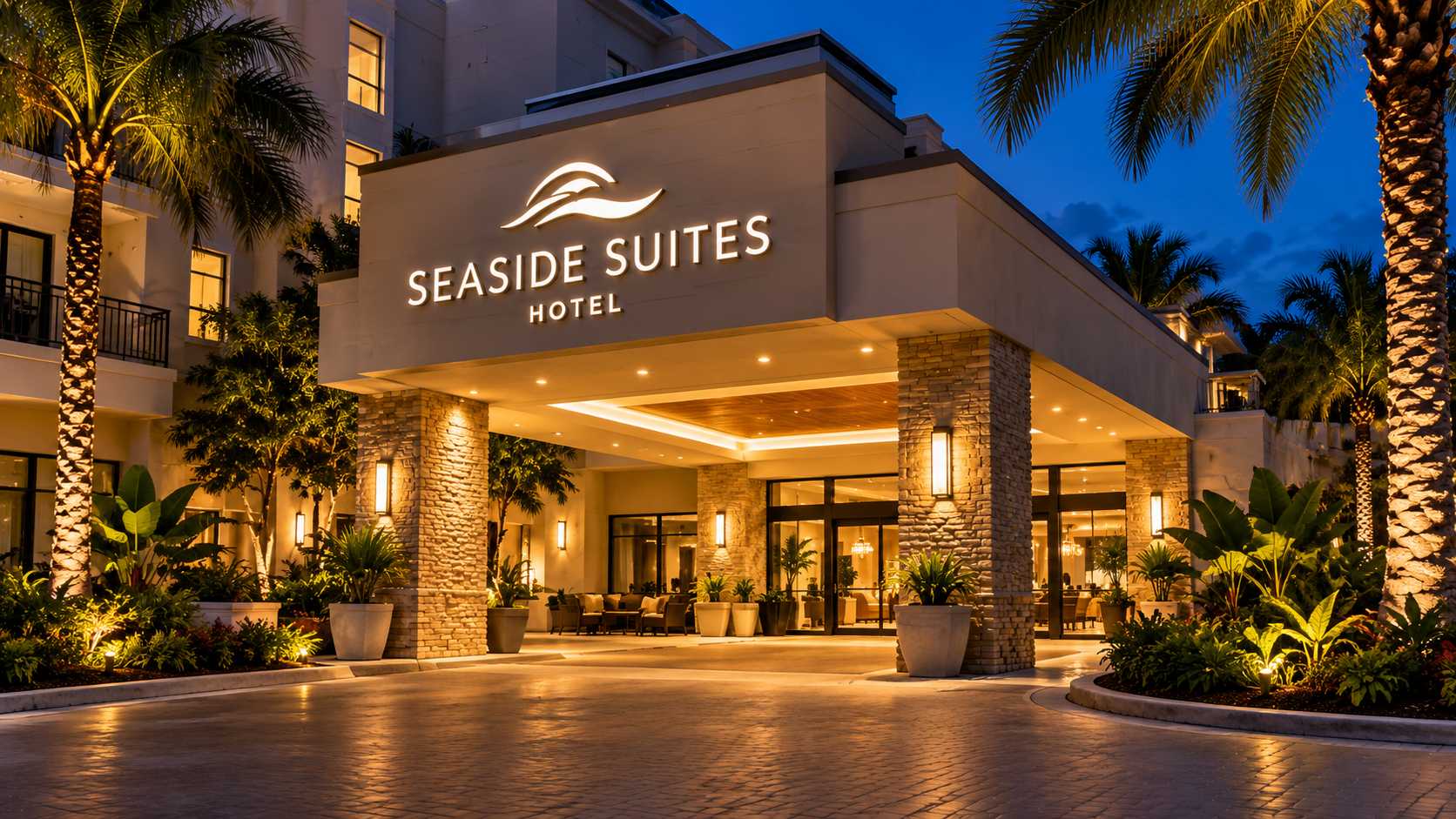
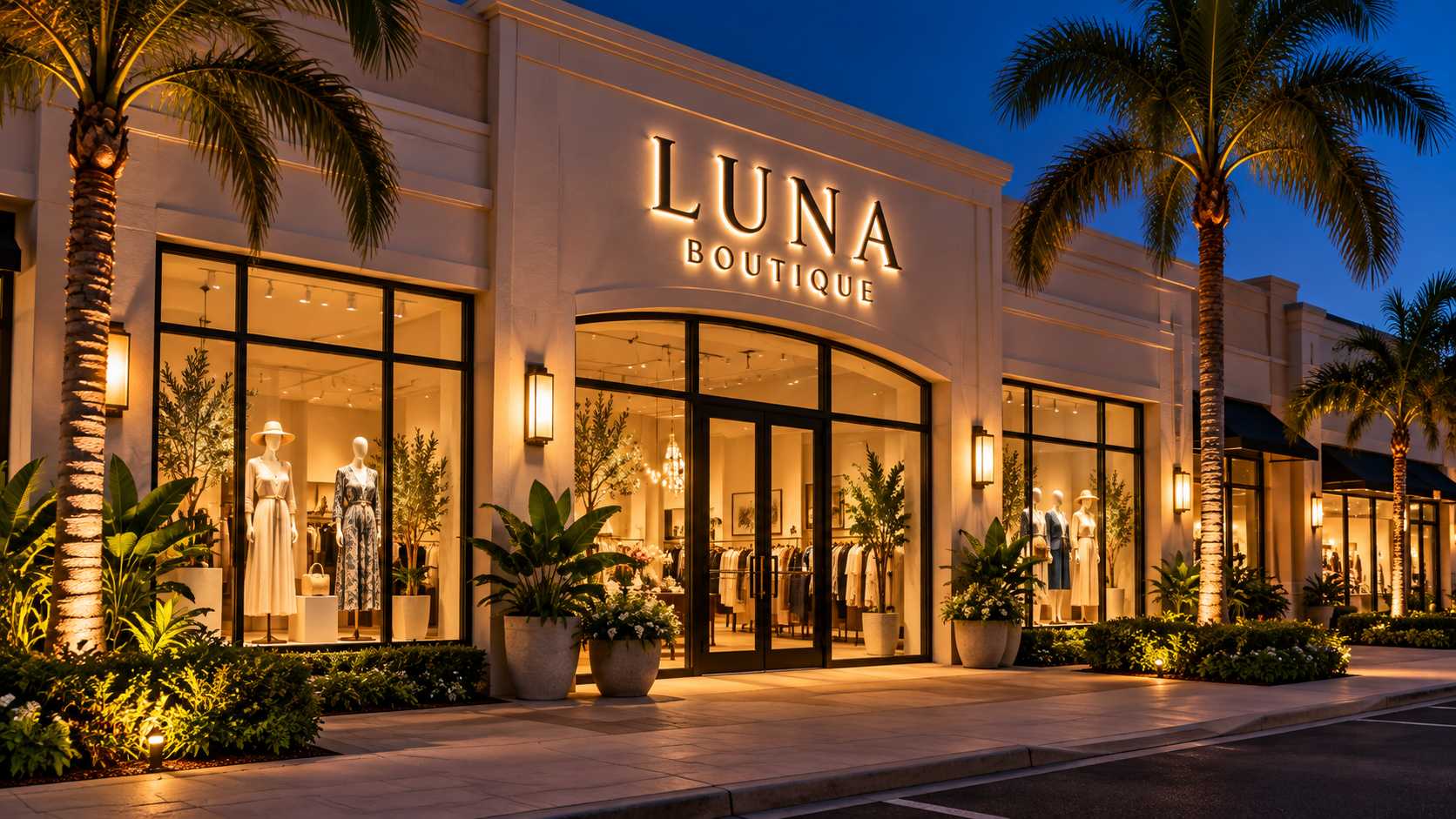
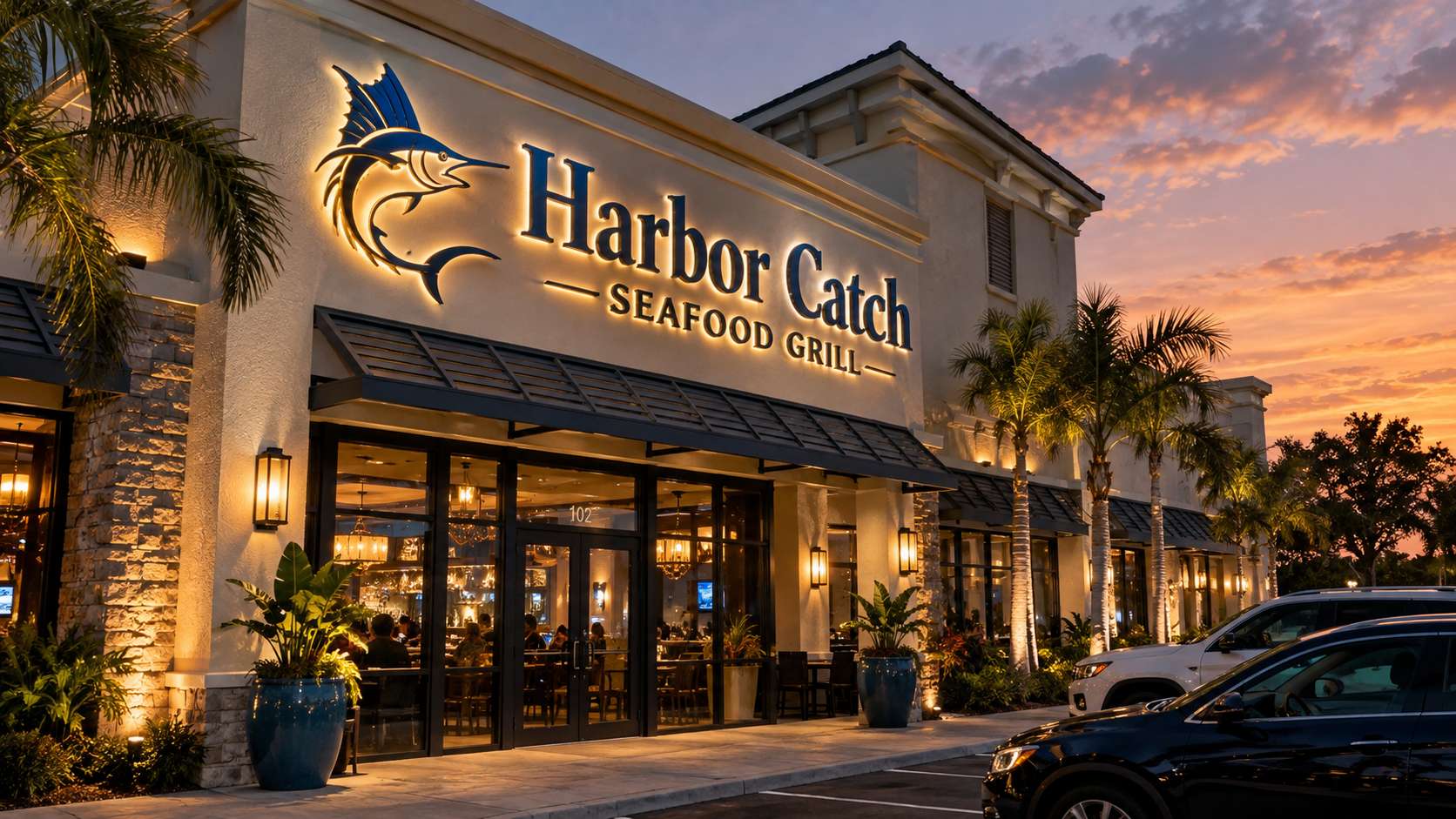
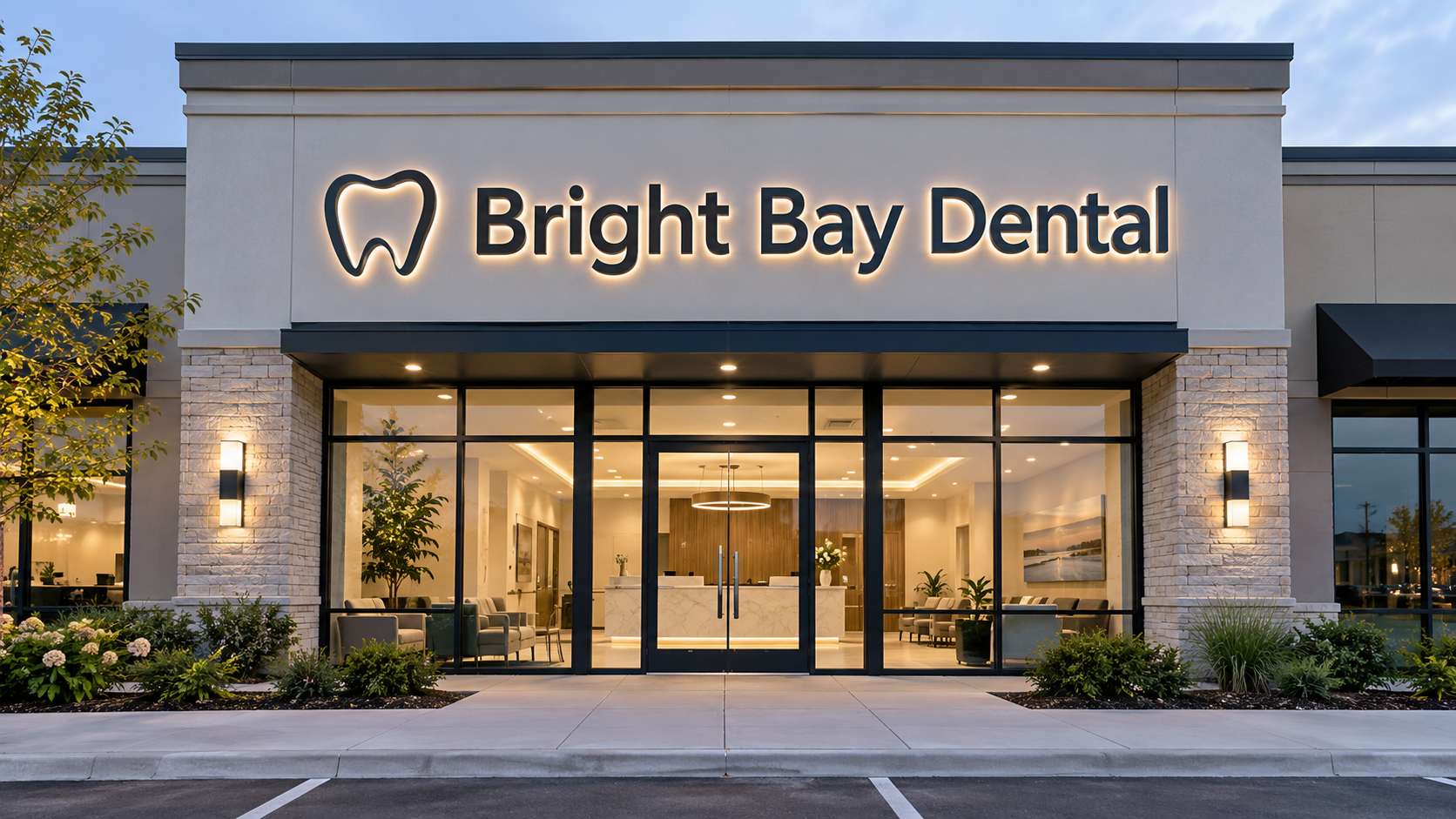
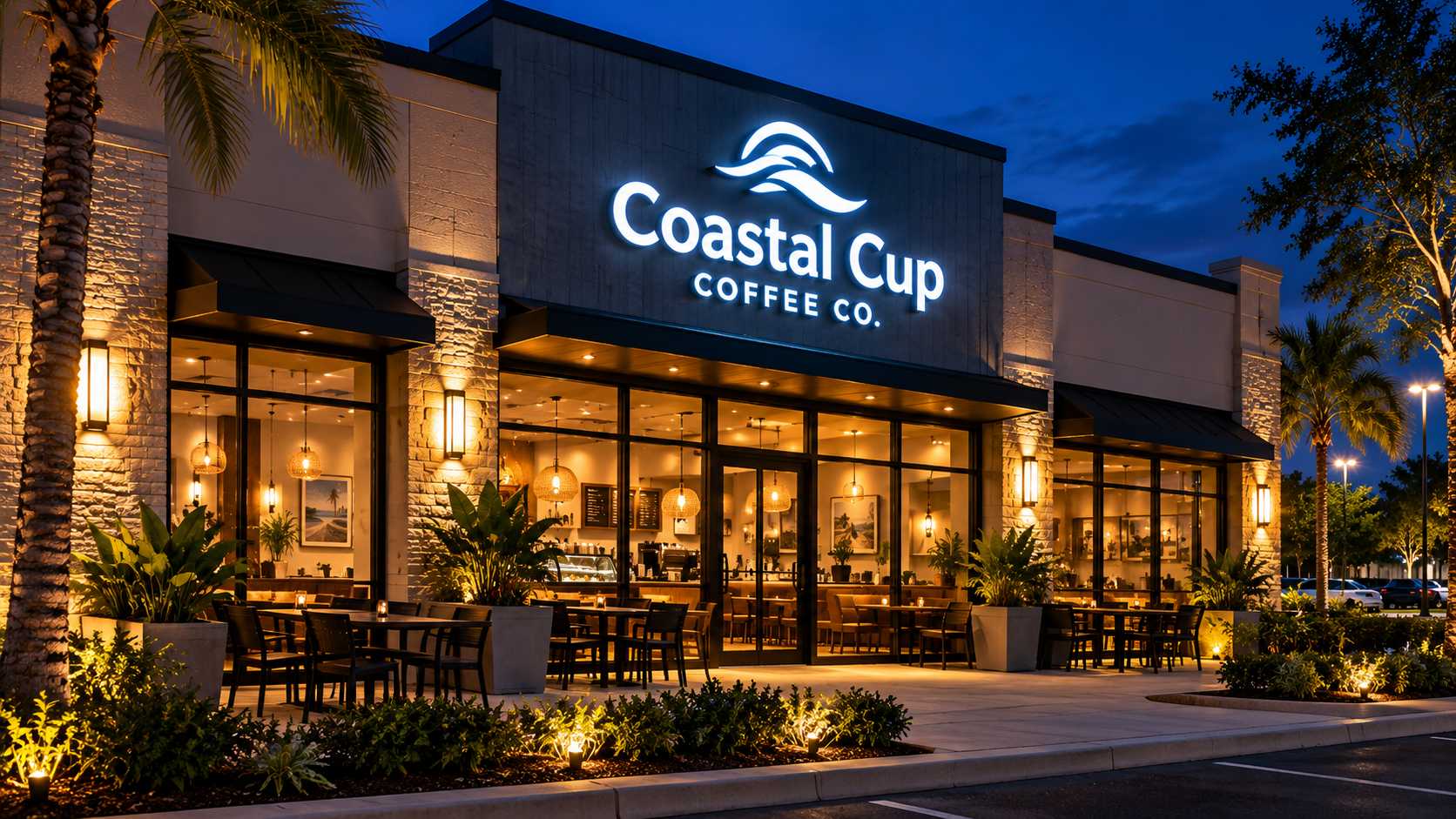
Not every business wants bright, illuminated letter faces. Restaurants, hotels, professional offices, and upscale retail locations often prefer the softer architectural effect of reverse channel letters.
Instead of illuminating the front of each letter, LEDs project light backward onto the mounting surface, creating a halo around the lettering. The letter faces remain opaque, usually with a painted or metallic finish.
Achieving an even halo requires careful attention to LED placement, standoff distance, and the surface behind the letters. Rough stone, textured stucco, and smooth architectural panels reflect light differently. This makes reverse channel lettering an especially good example of why the installation environment should influence the design from the beginning.
Monument Signs: Making the Entrance Easy to Find
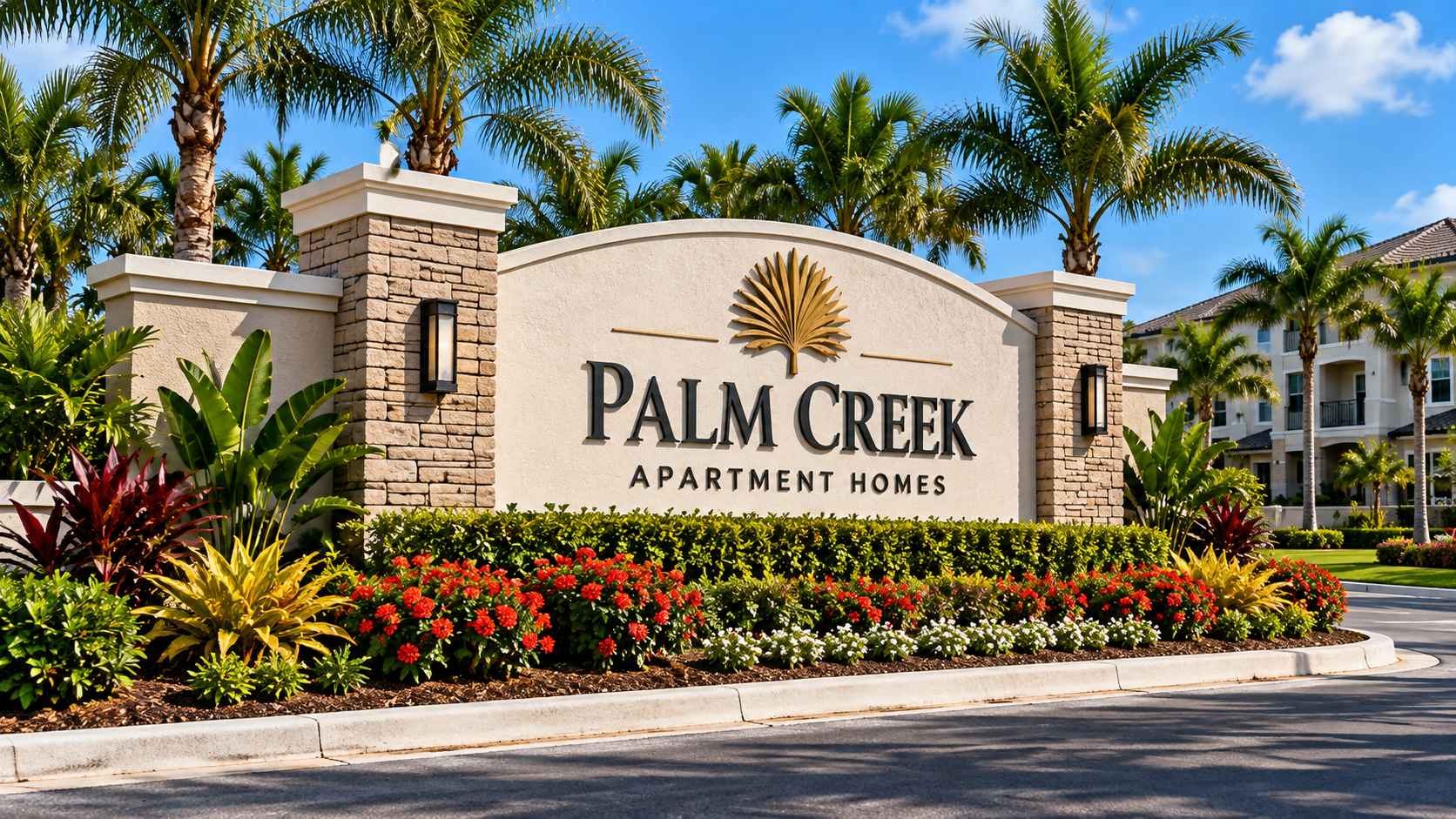
A visitor arriving at a medical campus, apartment community, or office development may need to identify the property long before seeing the building entrance. That is where monument signs become valuable.
Positioned near driveways and entrances, these low-profile freestanding structures can incorporate dimensional lettering, fabricated aluminum cabinets, architectural finishes, and illuminated tenant identification.
For multi-tenant properties, replaceable tenant panels can make future updates easier without rebuilding the entire structure.
The technical work extends below ground. Monument sign installations may require concrete foundations, structural reinforcement, underground electrical connections, and appropriate drainage.
Placement also needs careful consideration. A beautifully finished monument sign will accomplish little if landscaping blocks it from approaching traffic or if its position interferes with required sightlines.
Pylon Signs: Visibility From Busy Commercial Roads
Along major corridors such as US-41 and Colonial Boulevard, businesses often compete for attention from drivers who have only a short time to identify their destination. For properties set well back from the roadway, a storefront sign may simply be too far away to serve that purpose.
Pylon signs elevate business identification above ground level, often supporting one or several illuminated sign cabinets. Shopping centers, retail developments, and other roadside commercial properties commonly use them to identify businesses before drivers reach the entrance.
Pylon construction requires particular attention to wind loads, foundations, steel supports, and electrical access. The allowable height and sign area are also subject to local regulations. A taller structure is not automatically a better one. Its location, permitted dimensions, and visibility from the road ultimately determine whether it makes sense.
Light Boxes and Digital Signs: Practical Alternatives
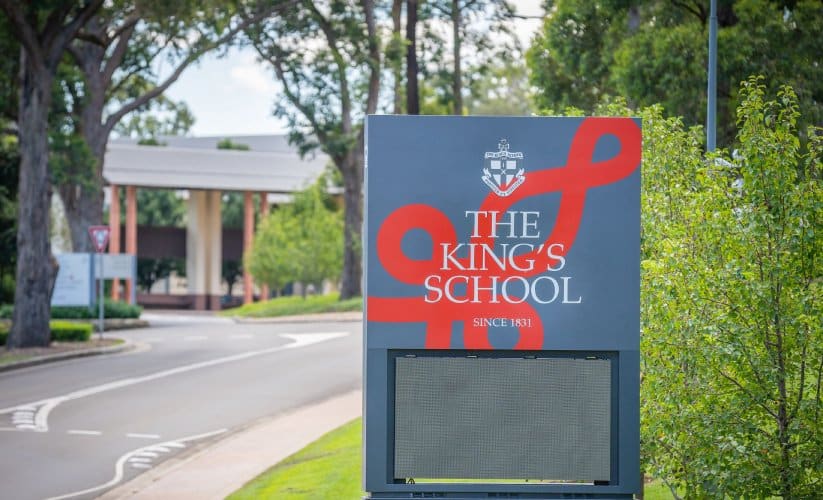
Sometimes the most sensible solution is to work with an existing sign cabinet. A light box uses an internally illuminated cabinet with a translucent graphic face. For businesses moving into previously occupied commercial spaces, replacing an outdated face may be more economical than manufacturing an entirely new structure, provided the existing cabinet is in suitable condition.
Cabinet depth, LED spacing, and face material affect illumination quality. Uneven lighting or visible LED hotspots can detract from an otherwise well-designed sign. Digital signs offer a different advantage: the ability to update messages without manufacturing new sign faces.
Churches, schools, restaurants, and commercial properties can use electronic message centers to communicate schedules, announcements, or promotions. When incorporated into a monument or pylon sign, the display must also meet applicable electrical, structural, and local operating requirements.
Sign regulations can affect dimensions, placement, illumination, and electrical work. Shopping centers may also impose tenant criteria that determine what kind of commercial signage can appear on the façade or monument panels. The details vary by property and jurisdiction, which makes treating permitting as an afterthought risky.
A business preparing to open does not want to discover late in the process that the approved concept has to be redesigned. Bringing sign permitting into the project earlier allows creative decisions to develop within the actual possibilities of the location. Manufacturing and installation can then follow a clearer path, reducing the kind of revisions that consume time without improving the sign.
Customers may never know how smoothly that process went. They simply arrive one morning and see the finished name on the building. That invisibility is a sign of good planning.
Built for Southwest Florida Weather
Outdoor signage in Southwest Florida must endure strong sunlight, heavy rainfall, humidity, and severe storms. Salt exposure can introduce additional corrosion concerns, particularly for properties near the coast. For that reason, material selection should reflect the actual installation environment rather than relying on the same specifications for every project.
Aluminum construction, durable exterior coatings, corrosion-resistant fasteners, and appropriately rated electrical components are common considerations. For illuminated signs, protecting power supplies, wiring connections, and LED modules from moisture is essential. Maintenance access should also be considered during design, especially when components will be installed at significant heights.
Wind-load engineering is another critical part of exterior sign construction in Florida. Depending on the sign, this may involve evaluating structural supports, attachment points, foundations, and the capacity of the existing building. A sign should be designed as a complete assembly. Strong materials alone cannot compensate for inadequate mounting or poorly protected electrical connections.
Permitting Should Be Addressed Before Fabrication
Commercial signs are subject to local requirements that can affect their size, height, illumination, placement, and construction. A proposal that looks appropriate for a storefront may still require changes to satisfy municipal regulations or the sign criteria established by a shopping center.
Fort Myers, Cape Coral, and Naples have their own permitting authorities and applicable rules. The requirements can also differ depending on whether the property falls within city limits or an unincorporated county area.
Depending on the project, documentation may include site plans, sign elevations, mounting details, electrical specifications, and structural engineering. Reviewing these requirements early helps prevent avoidable redesigns, manufacturing changes, and installation delays.
How Loyalty Signs Approaches a New Sign Project
The difference between a useful recommendation and a generic sales proposal often comes down to what happens before the price is calculated. At Loyalty Signs, we begin by visiting the business location. Our team examines the building, available installation areas, existing signage, and surrounding conditions. We also discuss the company’s branding, visibility goals, and practical requirements.
This gives us a clearer picture of what the business needs. An illuminated storefront sign may be sufficient for one client. Another may require a monument sign at the driveway and building lettering closer to the entrance. Occasionally, an existing sign can be repaired or modified instead of replaced.
Because Loyalty Signs manufactures commercial signage, our recommendations account for fabrication methods, materials, electrical components, installation requirements, and long-term maintenance- not just appearance.
Once we have evaluated the property and identified an appropriate solution, we prepare a customized quote based on the recommended design and actual project requirements. Our services cover the different stages of commercial signage, including graphic design, permitting, manufacturing, and professional installation.
We also provide sign repair and sign removal for businesses replacing outdated signage, updating their branding, or preparing a previously occupied location for a new tenant.
Custom Business Signs Throughout Southwest Florida
Loyalty Signs works with retail businesses, restaurants, healthcare facilities, apartment communities, churches, and commercial developments across Fort Myers, Cape Coral, and Naples.
Our service area also includes Bonita Springs, Estero, Gateway, Lehigh Acres, Golden Gate, Matlacha, Sanibel Island, Charlotte Harbor, Marco Island, and neighboring Southwest Florida communities. Whether the project involves a new storefront, an entrance monument, a large roadside sign, or replacing an existing installation, the process begins with understanding the site.
Planning a New Business Sign? Let's Visit Your Location.
Before choosing a sign from a catalog or committing to a design, find out what will actually work for your business.
Loyalty Signs offers on-site evaluations and expert recommendations backed by real manufacturing and installation experience. We assess your location, discuss your options, and develop a proposal suited to your building, brand, and budget.
Contact Loyalty Signs to schedule a site evaluation and request a custom quote for your business signage project in Southwest Florida.