A business sign in Southwest Florida has a difficult job. It has to catch the eye from the road, remain readable under hard afternoon sun, look just as convincing after dark, and withstand a climate that is rarely gentle with anything installed outdoors.
That may explain why commercial signage around Fort Myers and Naples is becoming more considered. Business owners are not simply choosing a sign because they like the way it looks in a rendering. They are paying closer attention to how customers approach the property, how far away the building can be seen, and what kind of impression the sign creates before anyone walks through the door.
Along busy commercial areas in Fort Myers, Cape Coral, and Naples, those details matter. Restaurants compete with neighboring storefronts, healthcare offices need to be found quickly, apartment communities have only one chance to create a strong entrance, and churches often need to guide first-time visitors through a property they have never seen before.
The latest signage trends reflect that reality. The most successful projects are becoming more architectural, more location-conscious and, in many cases, simpler.
Visibility Is Becoming the Starting Point for Commercial Sign Design
Not every beautiful sign is a good roadside sign. A logo can look perfectly balanced on a computer monitor and lose half of its impact once it is mounted on a building fifty yards from traffic. Drivers have only a few seconds to recognize a name, understand where the entrance is, and decide whether they need to turn. Small lettering, excessive copy, or weak contrast can disappear surprisingly quickly at that distance.
That is why commercial signs in Fort Myers and Naples are increasingly being designed from the street inward. Viewing distance comes first. Then come letter size, contrast, illumination, and placement. The decorative details follow.
This approach is particularly important along broad commercial roads and properties with deep parking lots. In those situations, a sign has to work as part of the landscape rather than simply as decoration on a building.
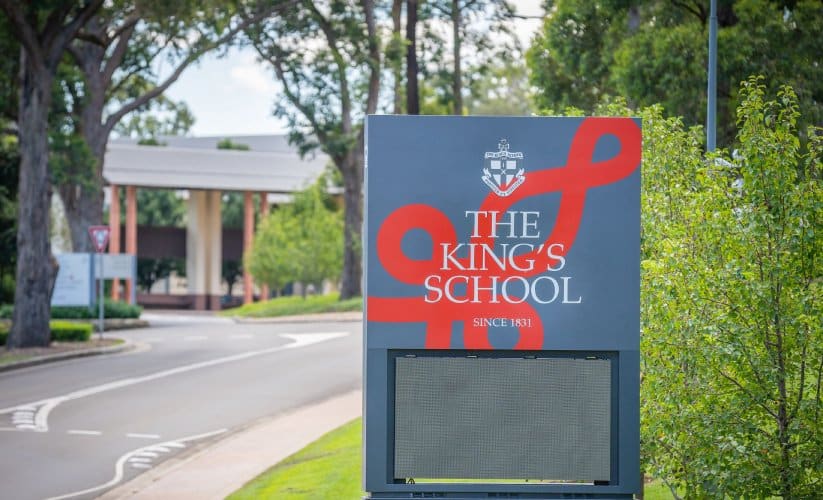
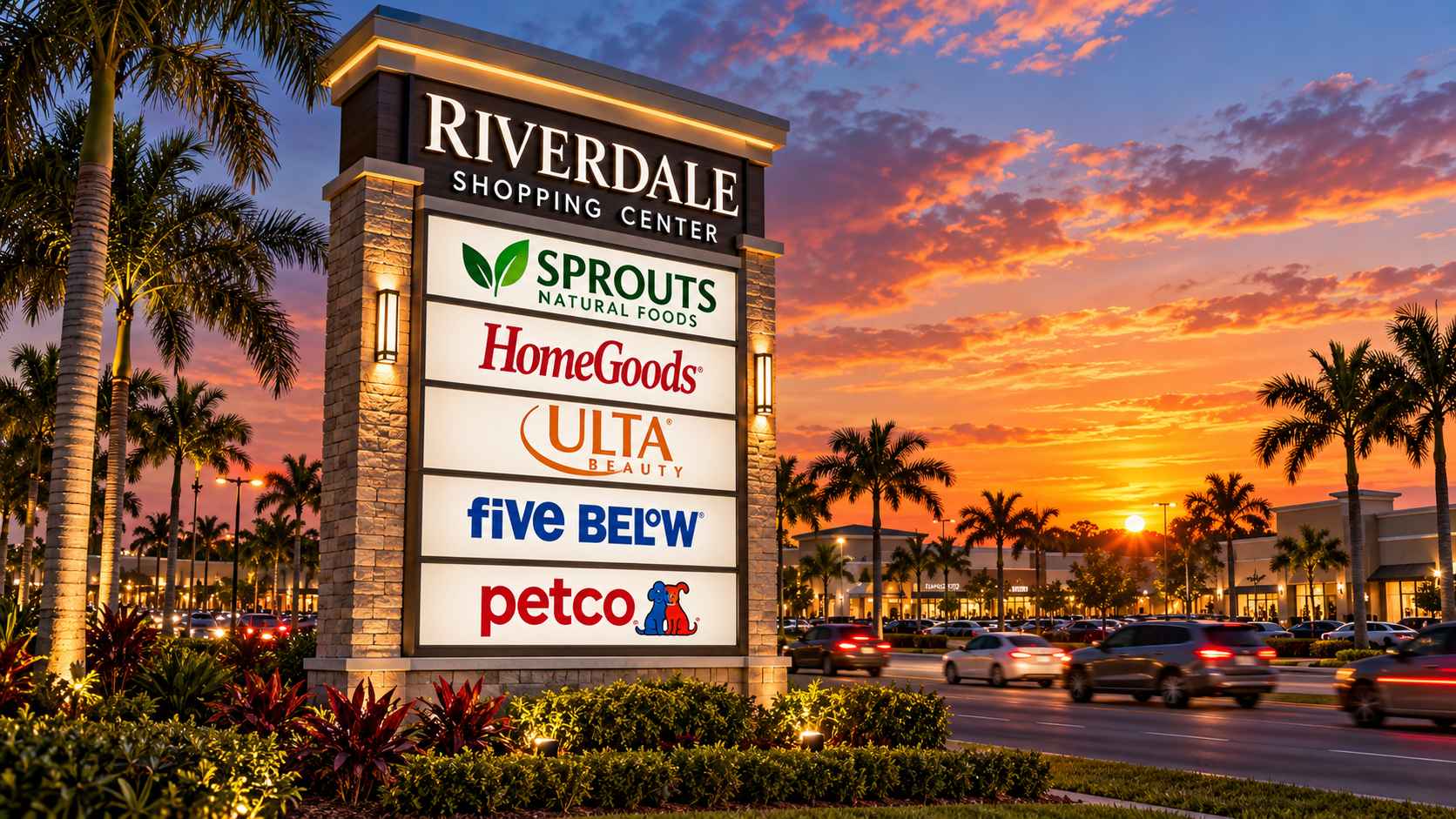
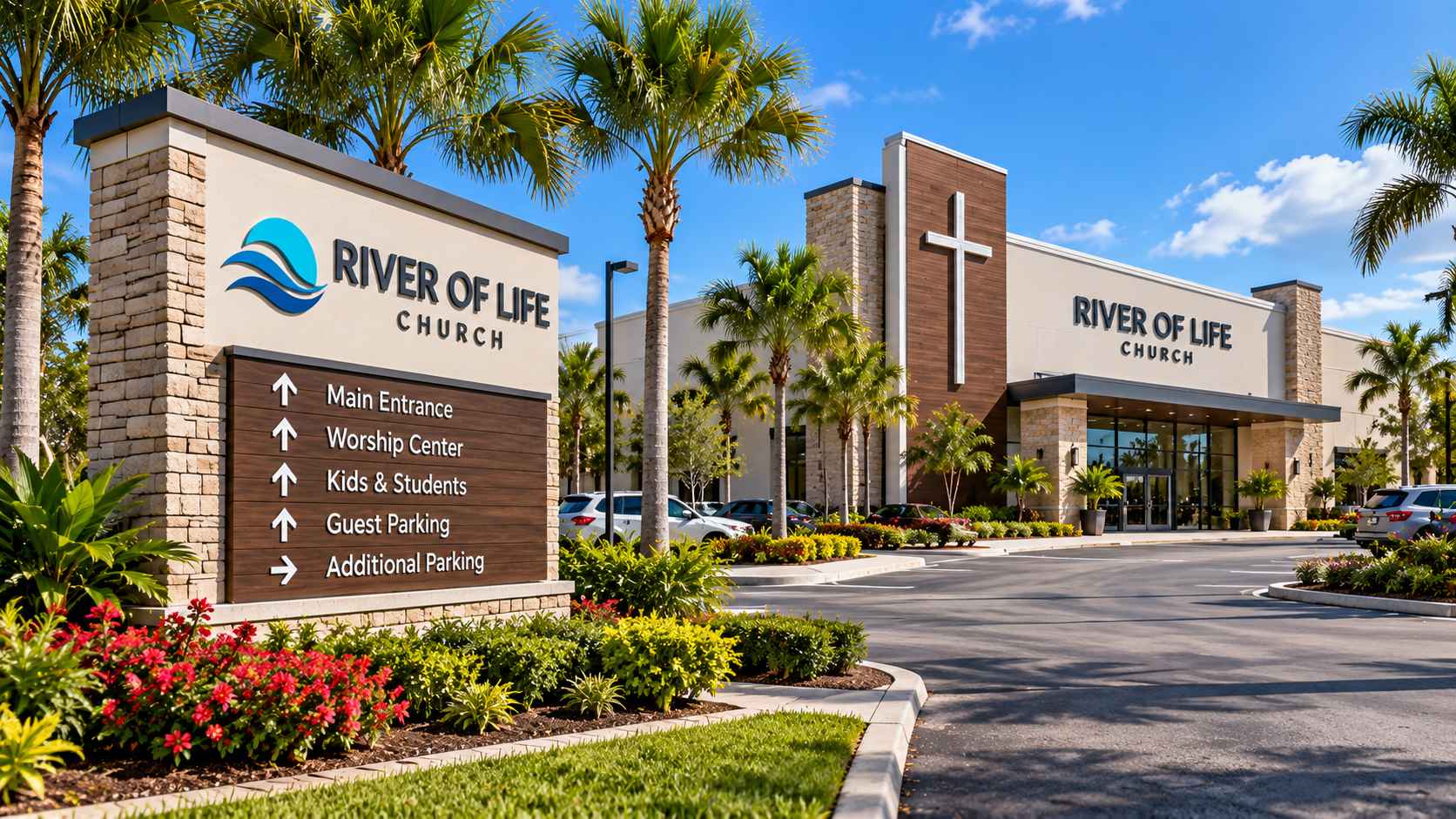
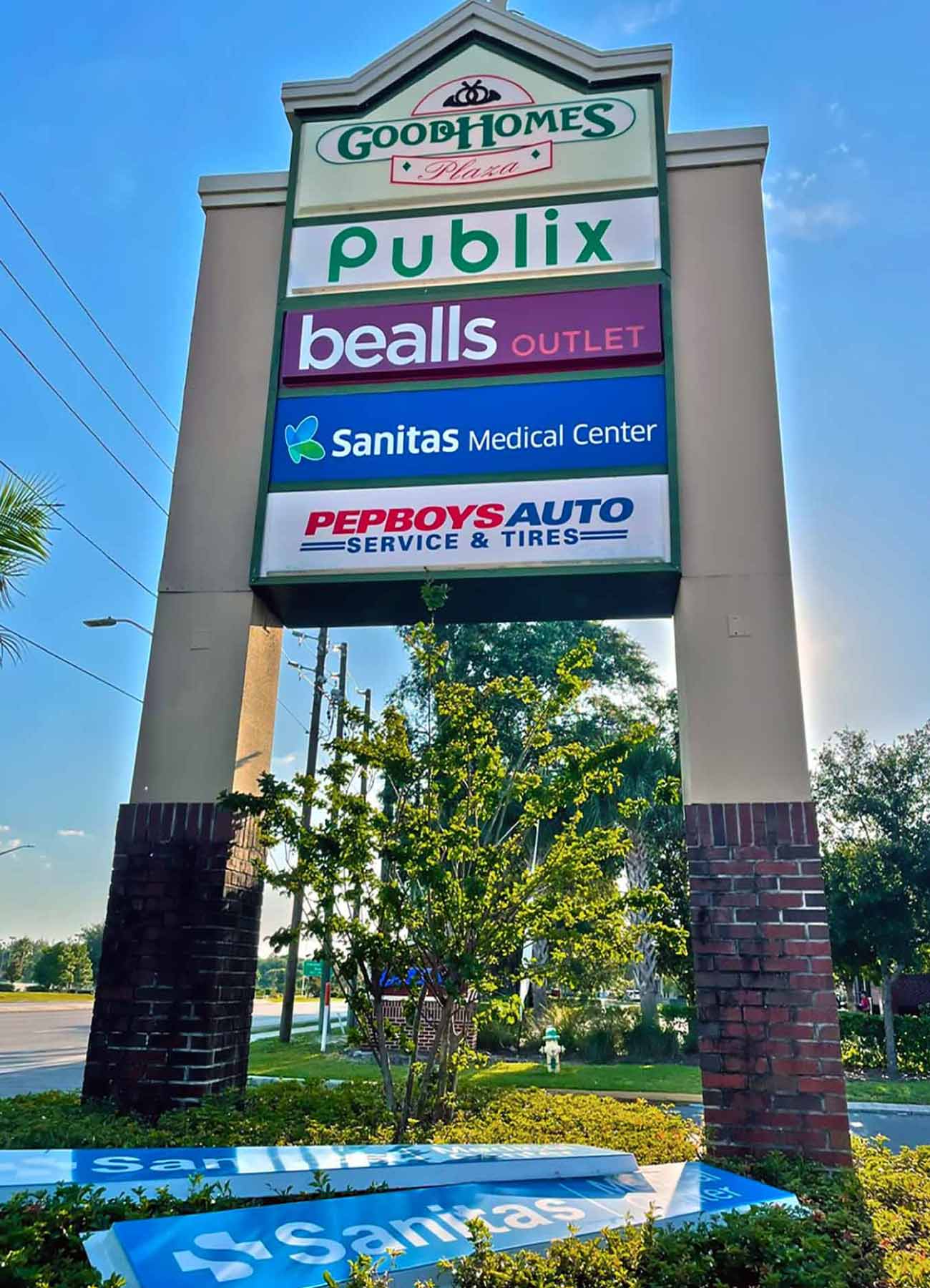
It also explains the continued importance of monument signs and pylon signs throughout Southwest Florida. A monument sign sits closer to the ground and can blend naturally with landscaping, masonry, and the architectural character of a property. They are common at medical facilities, apartment communities, churches, offices, and shopping centers because they create a clear sense of arrival.
A pylon sign uses height instead. When a building sits far from the road or competes with surrounding properties, that extra elevation can allow the business to be recognized much earlier.
The old question of pylon sign vs. monument sign is therefore less about which one is better and more about how the property is seen. A location with strong street frontage may benefit from the permanence of a monument sign, while another property a few blocks away may depend on the additional reach of a pylon.
So, which one does your business need?
The answer begins at the road.
Storefront Signs Are Looking More Like Part of the Architecture
Southwest Florida has no shortage of shopping centers and commercial buildings where several businesses share the same visual space. In that setting, the storefront sign has to establish a personality without fighting the building around it.
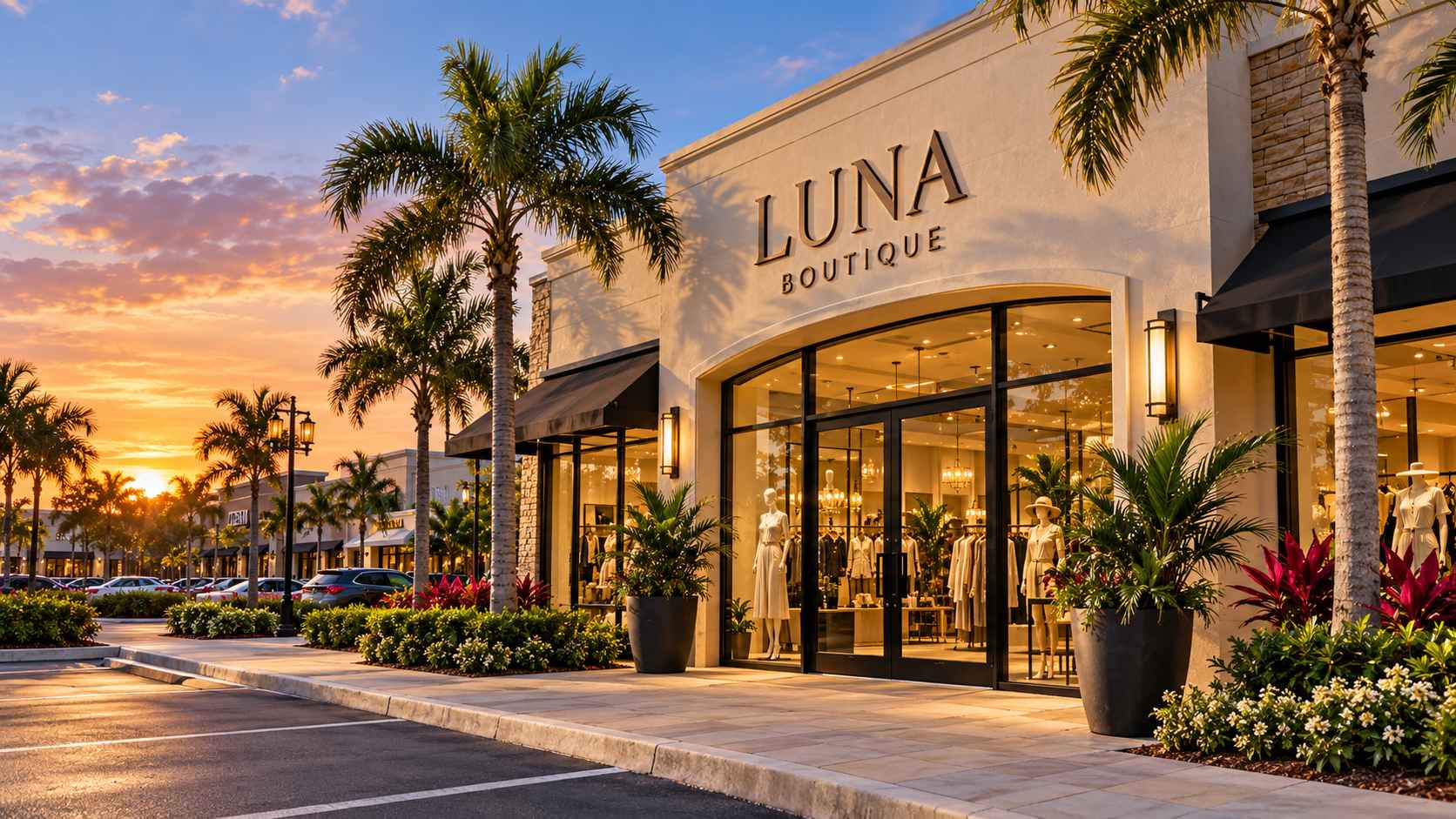
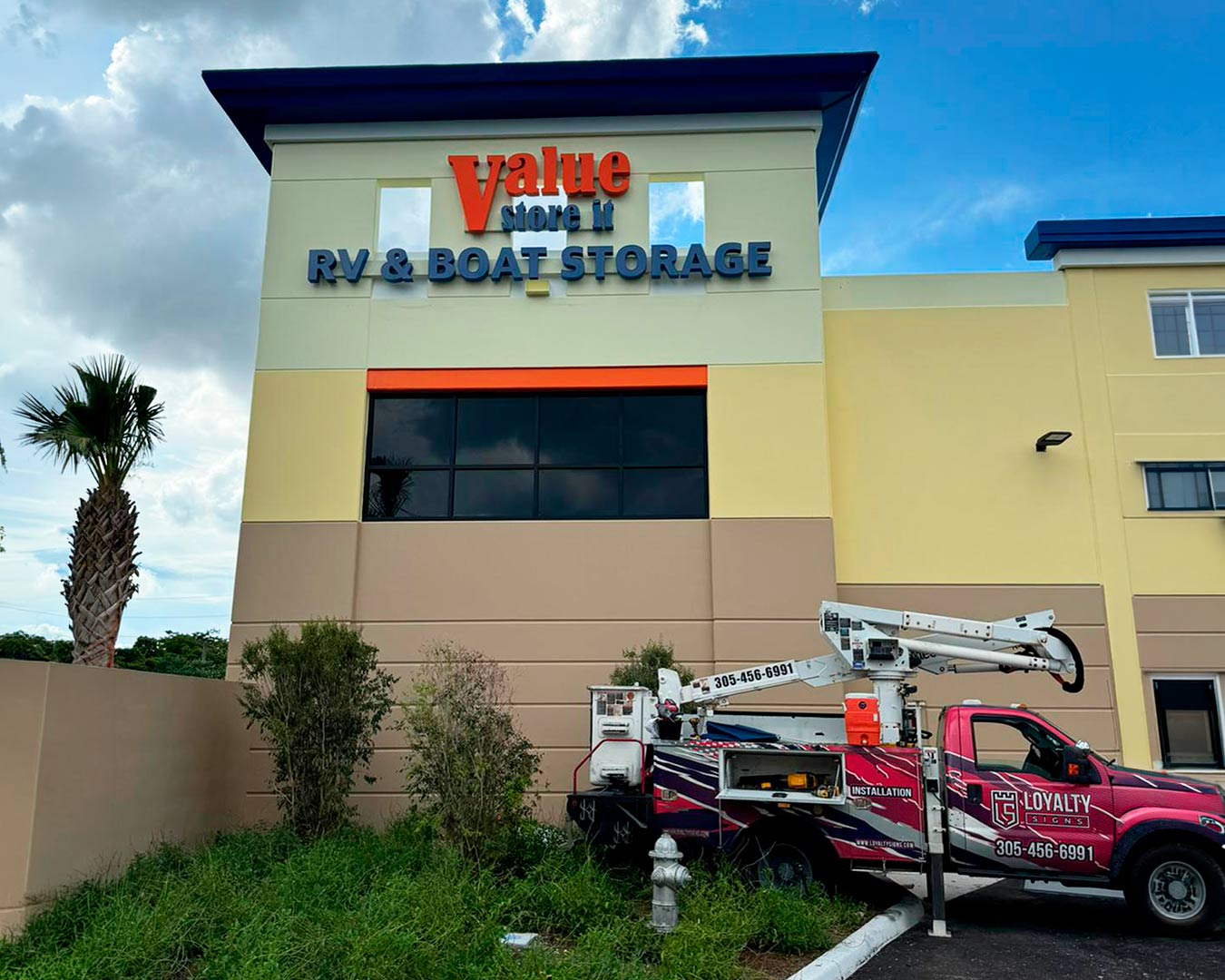
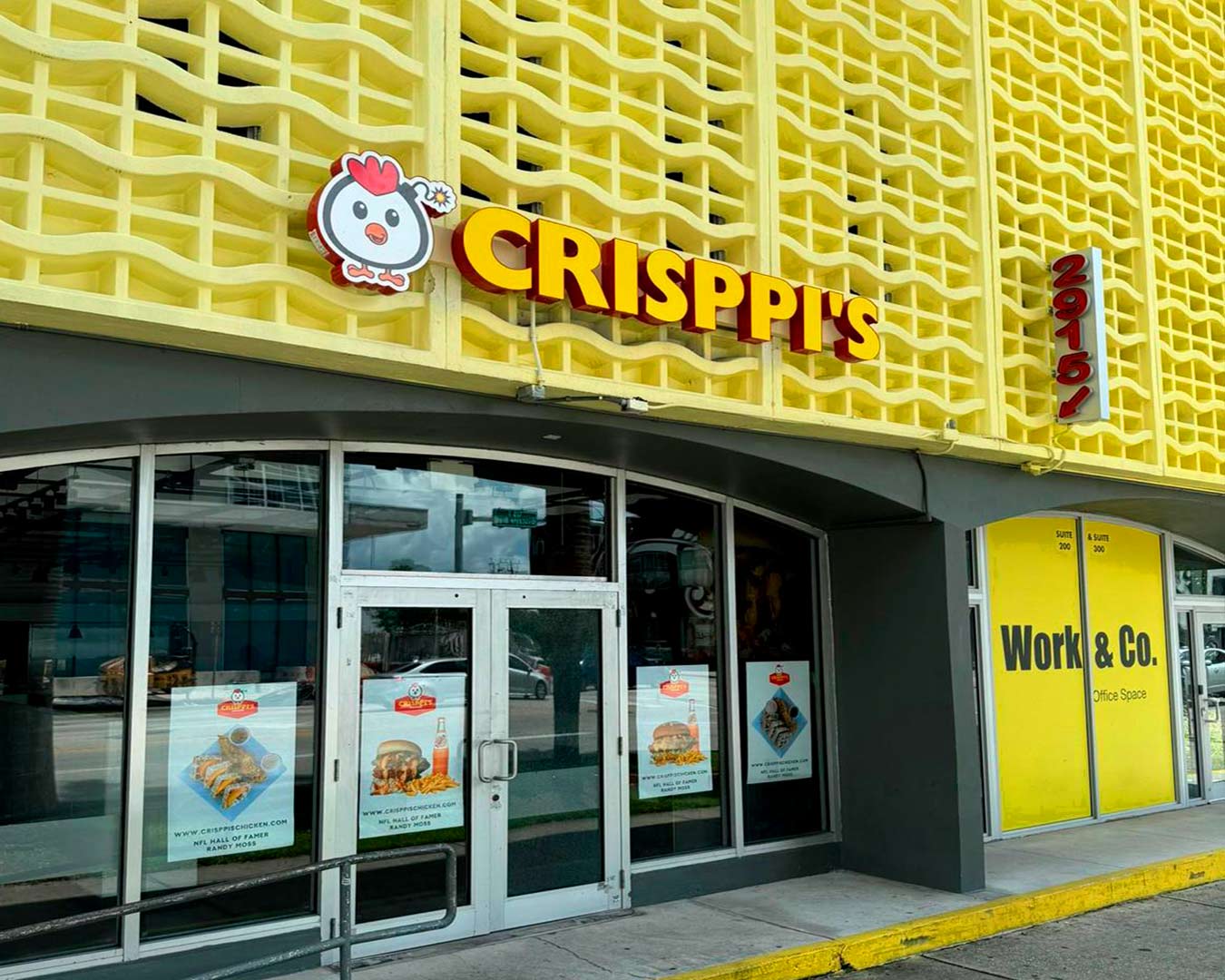
That is one reason channel letters remain such a strong choice for businesses. Rather than placing an entire logo inside a large rectangular cabinet, each letter becomes its own dimensional element. The result feels cleaner and can often follow the original brand identity more closely.
Illumination adds another layer. Restaurants, retail stores, and service businesses that remain open into the evening gain a storefront that continues to communicate after daylight has gone.
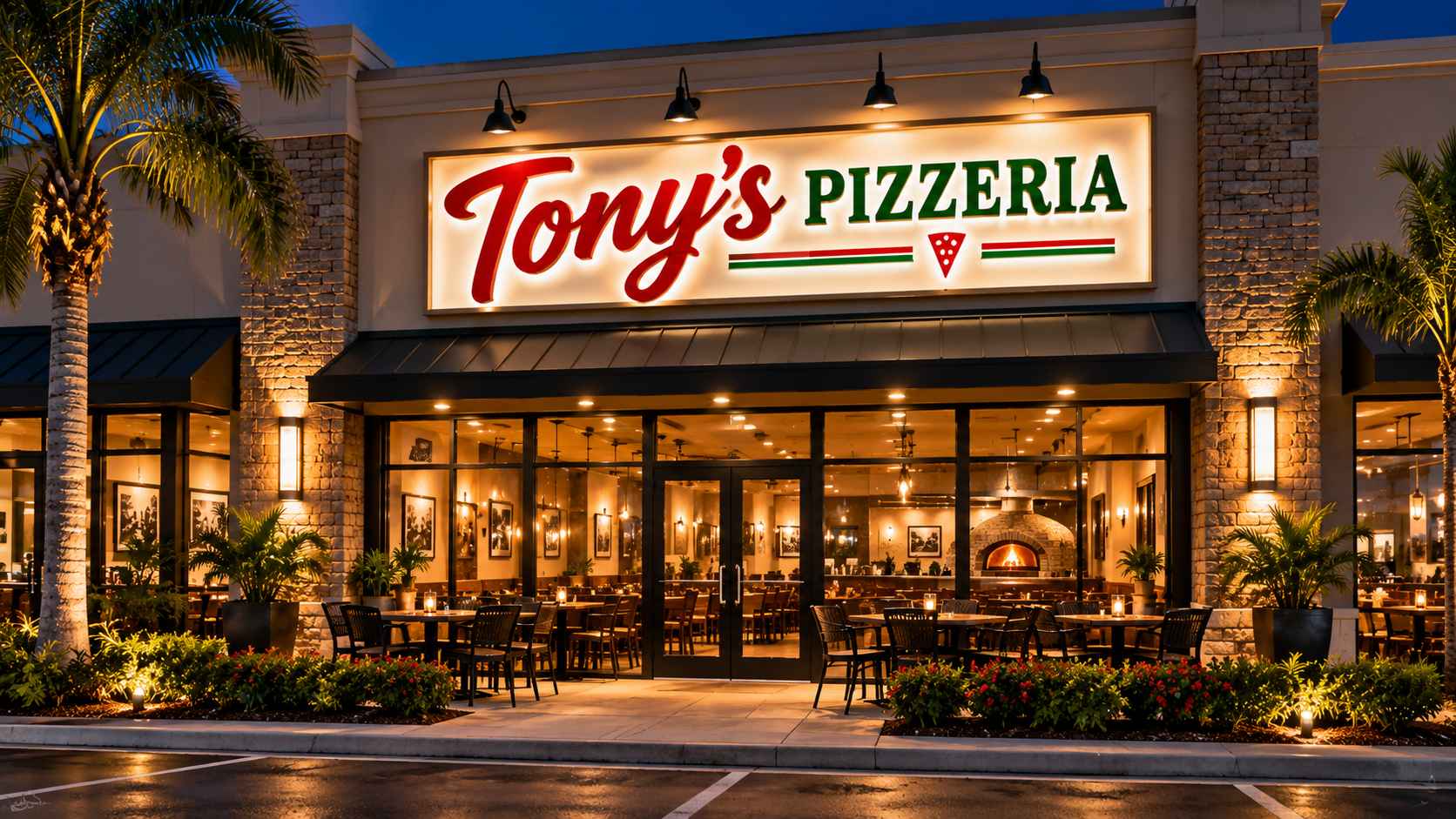
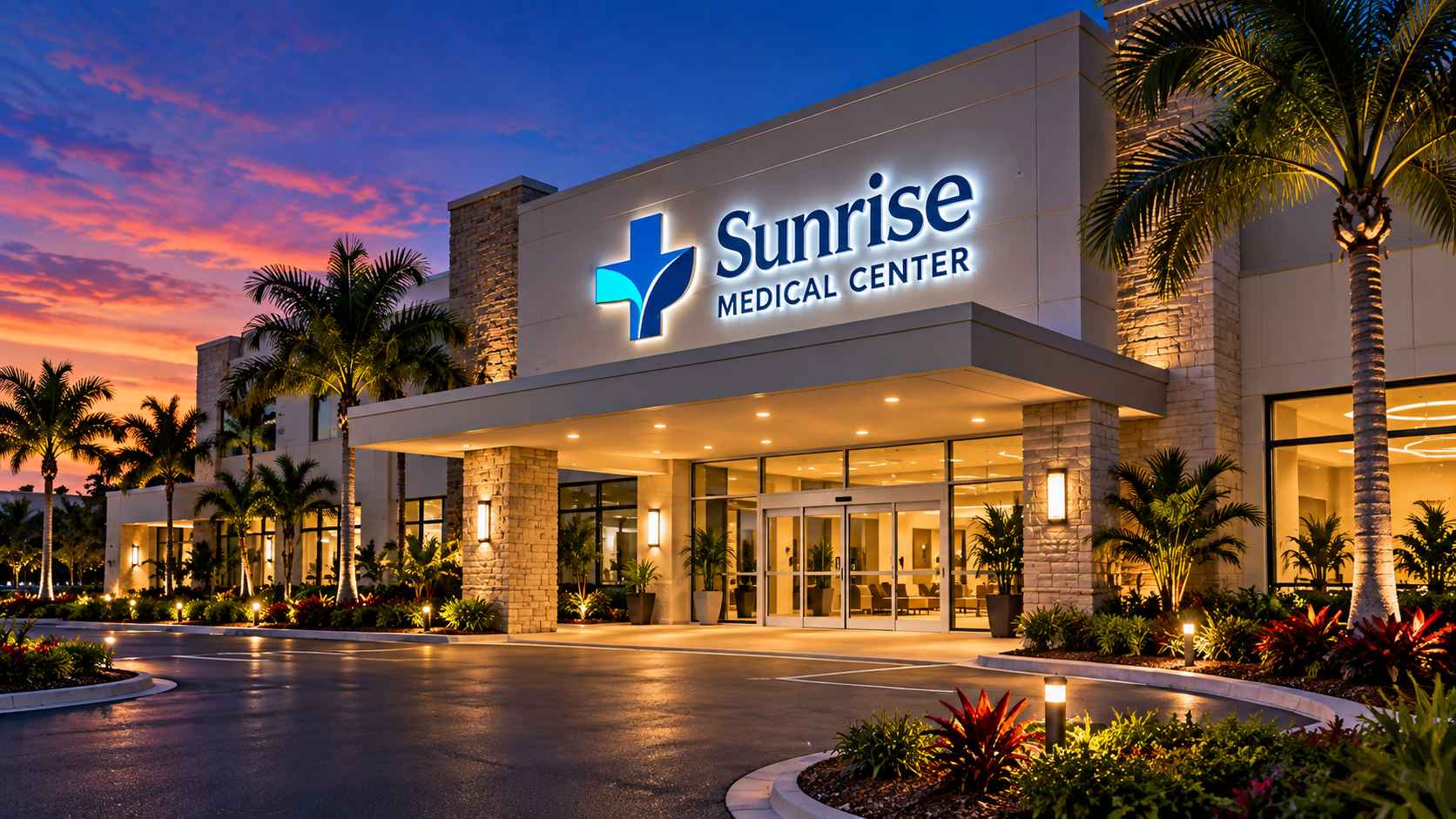
More subtle lighting is gaining ground as well. Reverse channel letters, sometimes known as halo-lit letters, illuminate the wall behind the lettering rather than relying only on a bright face. Against the right façade, the glow creates depth without overwhelming the architecture.
The difference is easy to notice at night. Front-lit letters tend to announce a business; reverse channel lettering can make the name feel almost built into the building itself. For healthcare practices, restaurants, professional offices, and hospitality properties, that quieter visual effect can be particularly effective.


Loyalty
Becomes Reality
Proudly trusted by thousands for delivering signage solutions that make businesses shine.
Digital Signs Are Getting Smarter, Not Busier
The appeal of a digital sign is obvious: the message can change without replacing the sign. The mistake is assuming that more content creates more value.
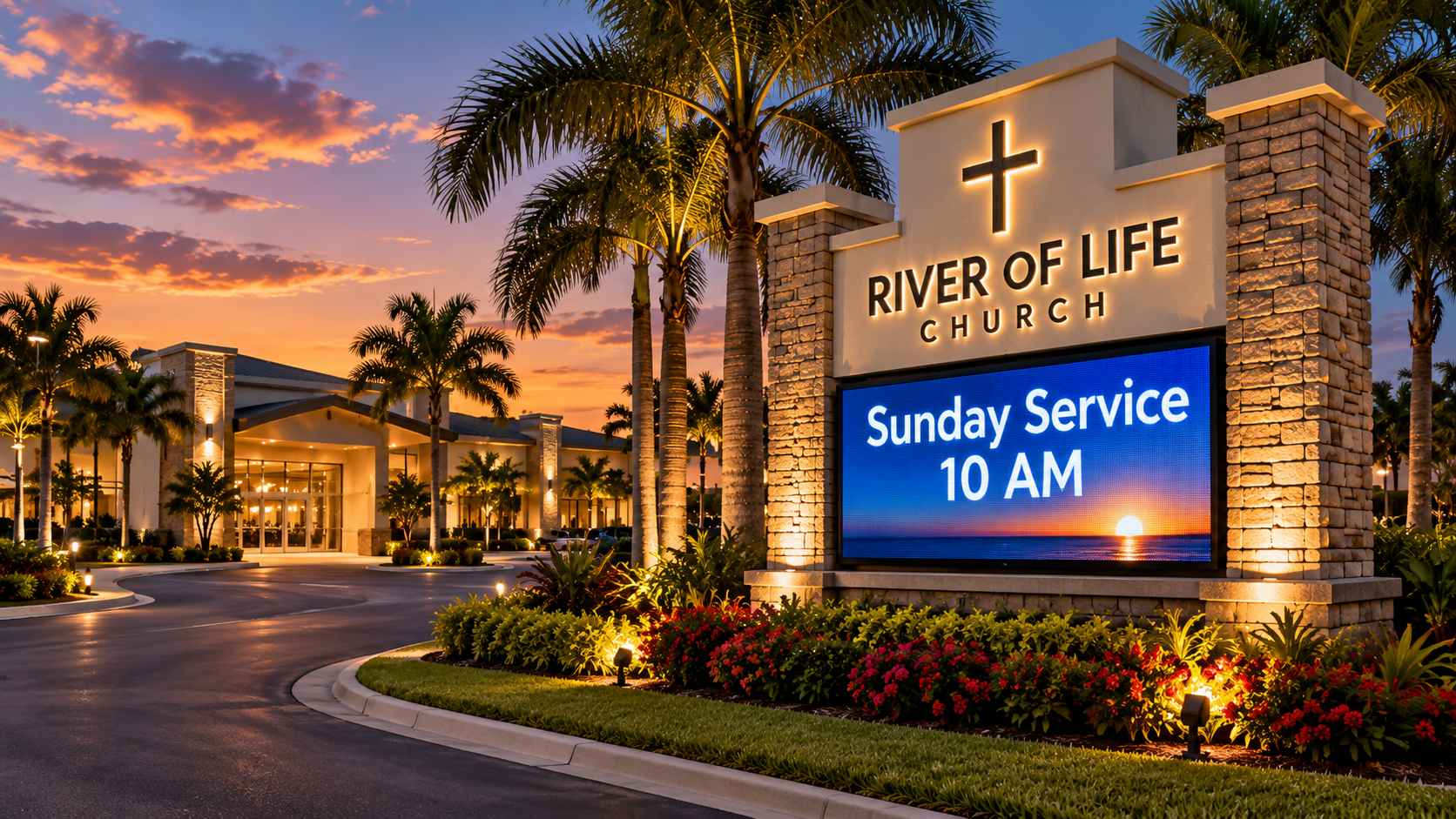
A customer driving past a church, restaurant, school, or apartment community does not have time to read six messages, study an animation, and remember a phone number. The most effective digital signs increasingly behave like good traditional signs. They communicate one idea clearly and give it enough room to be understood.
A restaurant might feature a dinner special. A church can announce a service or community event. An apartment property may promote leasing availability. A school or healthcare facility can display timely information without replacing permanent signage.
That flexibility has made digital displays especially useful in growing communities throughout Fort Myers, Cape Coral, and Naples. Yet the technology works best when the content respects the setting. Roadside communication is measured in seconds, not screen time.
Florida Weather Is Changing the Way Businesses Think About Sign Quality
The first year is easy. Most new signs look good. The real test comes later.
Southwest Florida brings powerful sunlight, humidity, heavy rain, and long periods of heat. Properties closer to the coast also contend with salt in the air, which adds another challenge for exterior materials and hardware.
Because of that, business owners are looking beyond appearance and asking what their sign will look like several years after installation. Materials, finishes, LED components, access for repairs and the quality of the mounting system can matter just as much as the initial design.
This is especially relevant for business signs in Naples, Fort Myers, Bonita Springs, Estero, and other Southwest Florida communities, where outdoor signage spends its entire life exposed to demanding conditions.
Maintenance should be considered at the same time. If one component fails, can it be reached easily? Can a letter or light source be repaired without rebuilding the entire sign? Will the finish continue to represent the brand after years of sunlight?
A commercial sign is one of the few pieces of marketing a business may leave outside for a decade. Choosing it only for the way it looks on installation day misses much of the story.
Healthcare, Churches, Apartments and Restaurants Need Different Sign Strategies
A useful signage trend is the move away from the idea that every business needs the same solution. Healthcare properties are a good example. A large entrance sign may establish the address, but patients still need to find the correct building, parking area, and entrance. Effective healthcare signs often work as a family: monument signage outside, building identification closer in, and directional or interior signs continuing the journey.
Apartment communities use signage differently. There, the entrance becomes part of the property experience. Monument signs, building numbers, leasing-office identification and amenity signage can reinforce the same visual identity before a prospective resident ever sees an apartment.
Church signs have yet another purpose. Members already know where to go; visitors may not. Roadside identification, parking directions, entrance signs and digital message centers can turn an unfamiliar property into one that feels immediately easier to navigate.
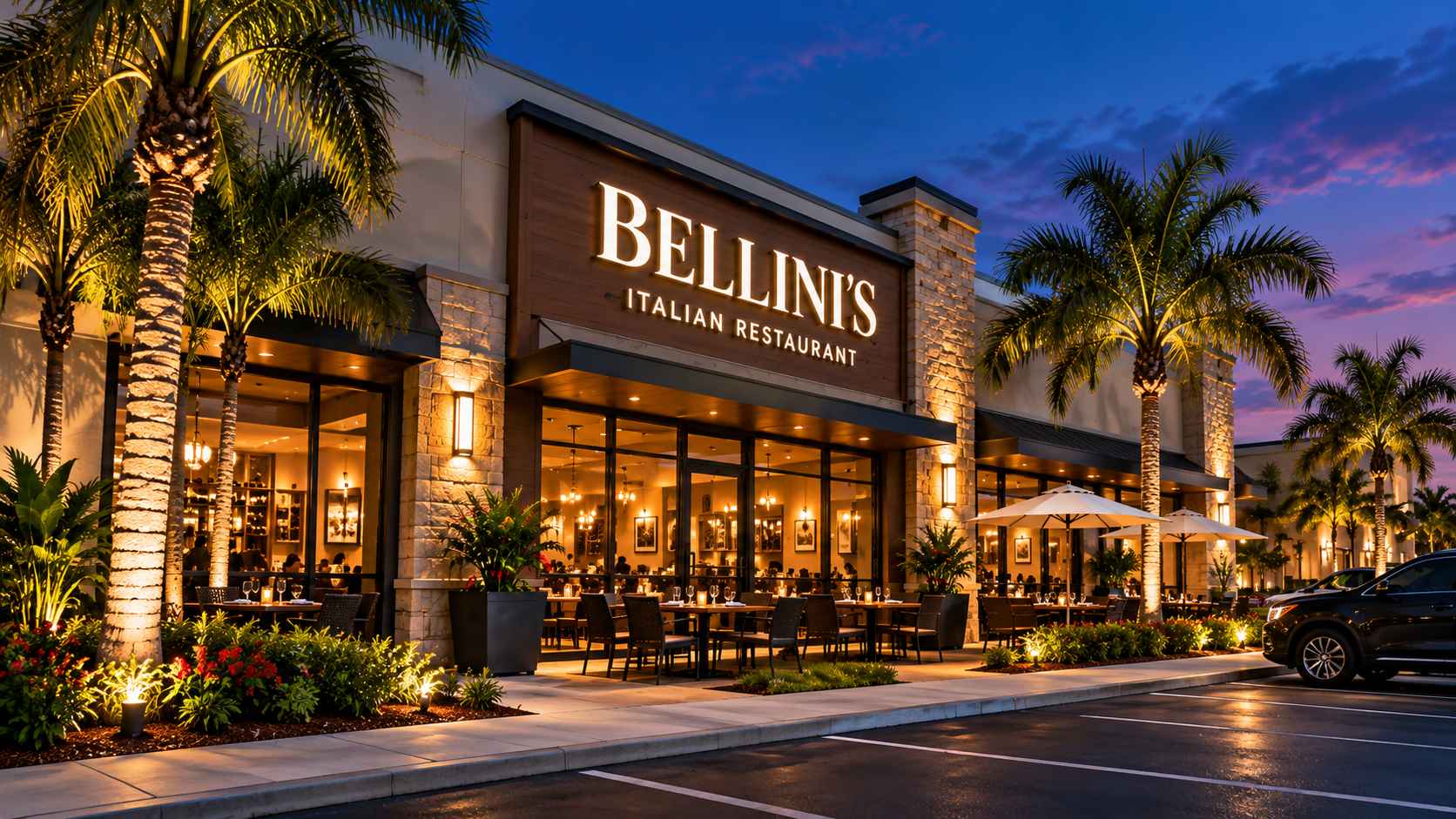
Restaurants live in a faster world. A restaurant sign may have only seconds to create recognition from the road, and after sunset the lighting itself becomes part of the atmosphere. Channel letters, light boxes, monument panels, and other illuminated restaurant signs can help a location establish a memorable presence in a crowded commercial area.
Thinking in terms of the customer’s experience rather than simply the product category leads to better signage. The question becomes not “Which sign should we buy?” but “What does a visitor need to see next?”
Permitting, Installation and Sign Removal Matter Earlier Than They Used To
Good sign projects are not designed in isolation and handed over to someone else to figure out later. Local permitting requirements can influence dimensions, location, illumination, electrical work, and structural details. Shopping plazas and managed developments may introduce another set of sign criteria on top of municipal regulations. That makes sign permitting in Southwest Florida part of the planning process rather than something to consider once the artwork is finished.
The same is true when an old sign is already occupying the space. A rebrand or new tenant may require storefront sign removal, electrical disconnection, patching mounting points, or dealing with a wall that has weathered differently behind the previous lettering. Larger monument and pylon signs create another decision: replace the structure completely or reuse the parts that still have useful life.
Sometimes an older sign can be transformed with new faces, finishes, or lighting. Other times, trying to save it creates more compromises than value.
This broader approach (design, permitting, manufacturing, installation, repair, and eventual sign removal)is becoming increasingly important because businesses are looking at signage as an asset rather than a one-time purchase.
The Most Effective Southwest Florida Signs Feel Local
Fort Myers does not look exactly like Naples. Cape Coral has its own commercial landscape, and the same is true of Estero, Bonita Springs, Lehigh Acres, Marco Island, Sanibel, and other communities throughout the region. That matters more than it may seem.
A sign facing fast-moving traffic needs a different strategy from storefront lettering in a slower commercial setting. A business located deep inside a shopping center has different visibility problems from one sitting directly beside the road. Landscaping, setbacks, neighboring signs, and the architecture of the development can change what works from one property to the next.
The strongest commercial signage therefore tends to feel specific to its surroundings. It borrows from the brand, but it also responds to the street. That may be the most important trend of all.
Businesses are becoming less interested in simply making a sign bigger and more interested in making it clearer. Instead of choosing monument signs, pylon signs, digital displays, or reverse channel letters because they happen to be popular, they are asking what those signs can accomplish at a particular property.
When that decision is made well, the result does not feel like advertising pasted onto a building. It feels as though the sign belongs there.
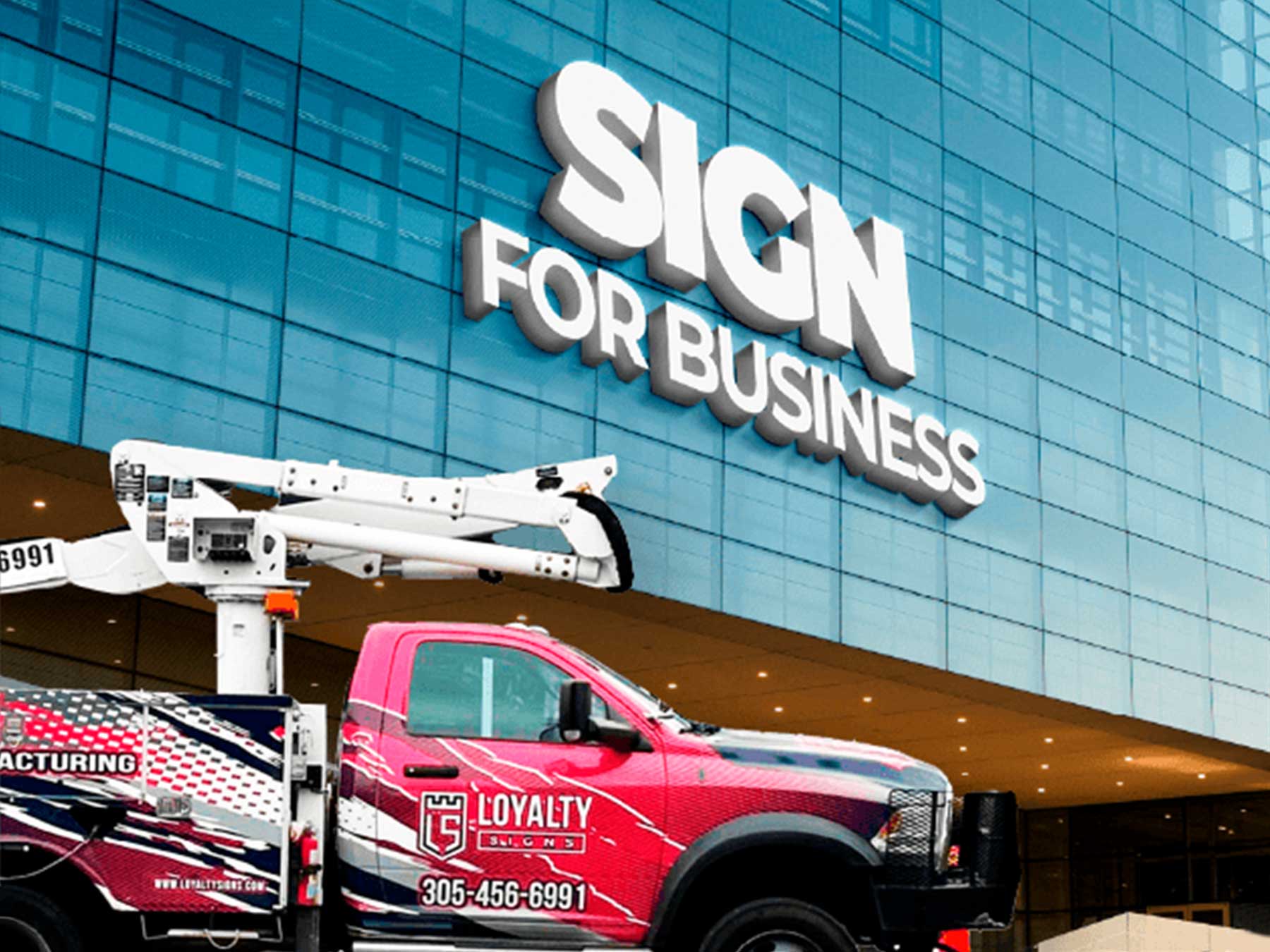
For businesses planning commercial signage in Fort Myers, Cape Coral, Naples, and surrounding Southwest Florida communities, Loyalty Signs provides graphic design, permitting, manufacturing, installation, sign repair, and sign removal. Its signage capabilities include channel letters, reverse channel signs, monument signs, pylon signs, light boxes, interior signs, and digital signs for commercial properties throughout the region.